Guayabo Pavillon
Guayabo National Monument, a significant archaeological discovery in Costa Rica, likely housed approximately 10,000 people around 3,000 years ago. Its core mission is to safeguard the structural remnants of this ancient city, preserving its rich archaeological heritage for past, present, and future exploration. Located near the Turrialba volcano, amidst a primarily premontane rainforest, despite its remarkable preservation, this captivating place, strangely enough, remains relatively unknown to both locals and tourists.
Client:
Amazon
Role:
Architect, 3D Modeling
Year:
2019
Guayabo Pavillon
Guayabo National Monument, a significant archaeological discovery in Costa Rica, likely housed approximately 10,000 people around 3,000 years ago. Its core mission is to safeguard the structural remnants of this ancient city, preserving its rich archaeological heritage for past, present, and future exploration. Located near the Turrialba volcano, amidst a primarily premontane rainforest, despite its remarkable preservation, this captivating place, strangely enough, remains relatively unknown to both locals and tourists.
Client:
Amazon
Role:
Architect, 3D Modeling
Year:
2019
Guayabo Pavillon
Guayabo National Monument, a significant archaeological discovery in Costa Rica, likely housed approximately 10,000 people around 3,000 years ago. Its core mission is to safeguard the structural remnants of this ancient city, preserving its rich archaeological heritage for past, present, and future exploration. Located near the Turrialba volcano, amidst a primarily premontane rainforest, despite its remarkable preservation, this captivating place, strangely enough, remains relatively unknown to both locals and tourists.
Client:
Amazon
Role:
Architect, 3D Modeling
Year:
2019
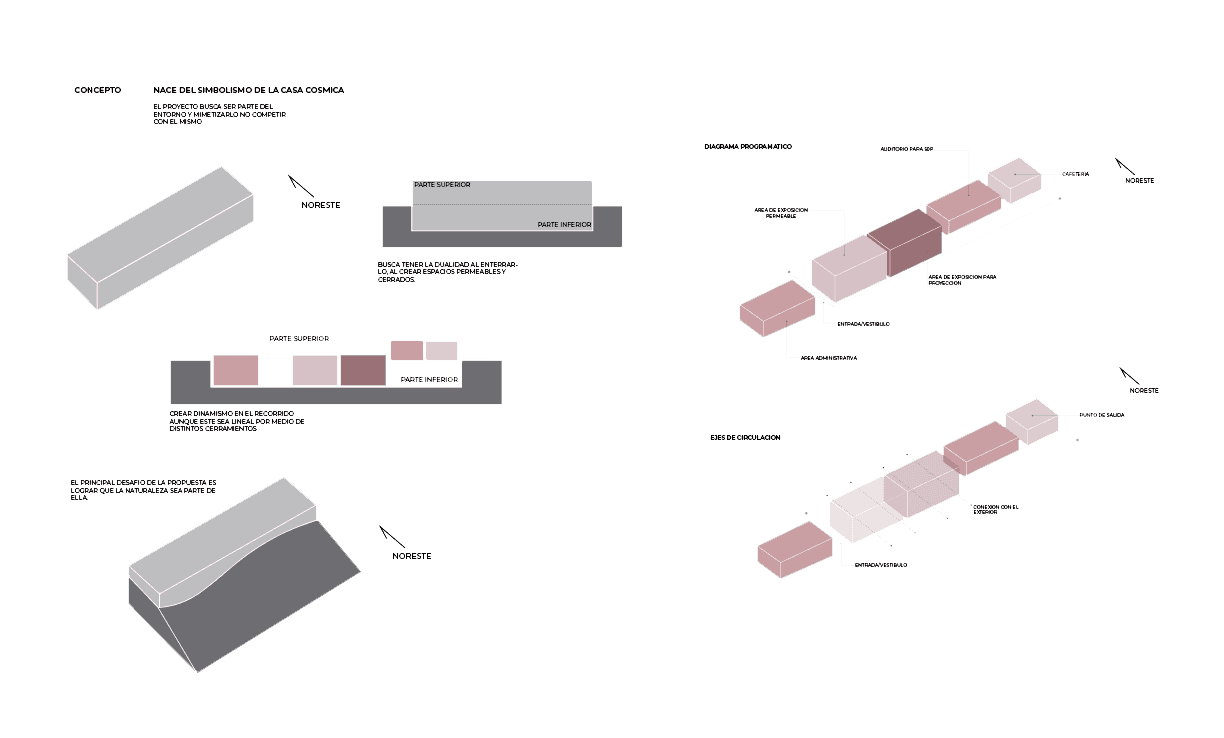
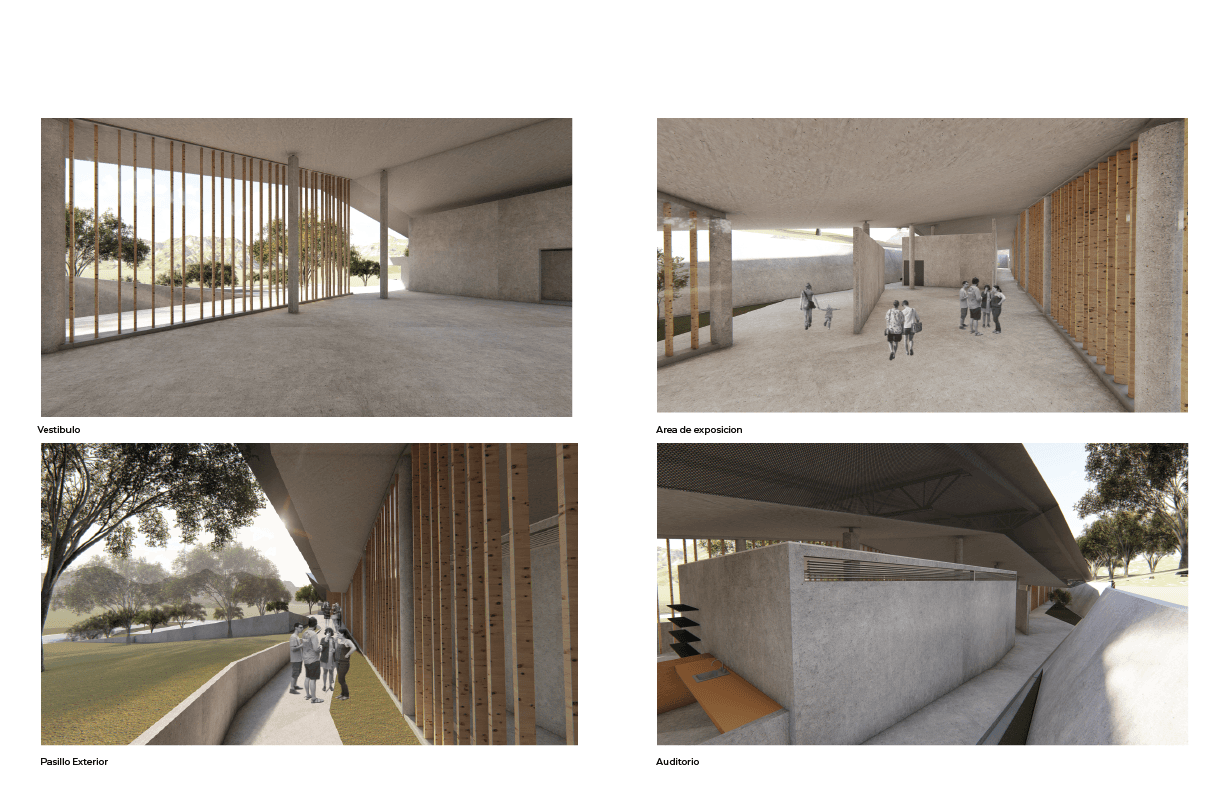
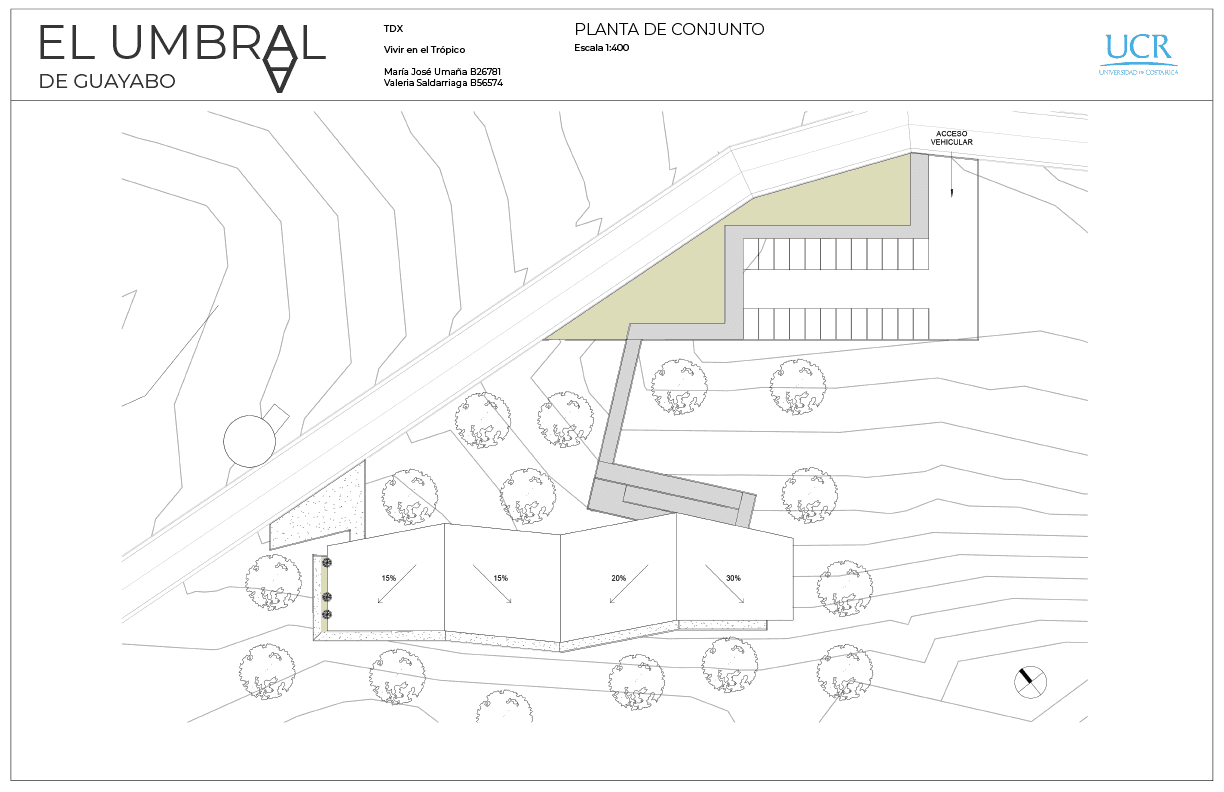
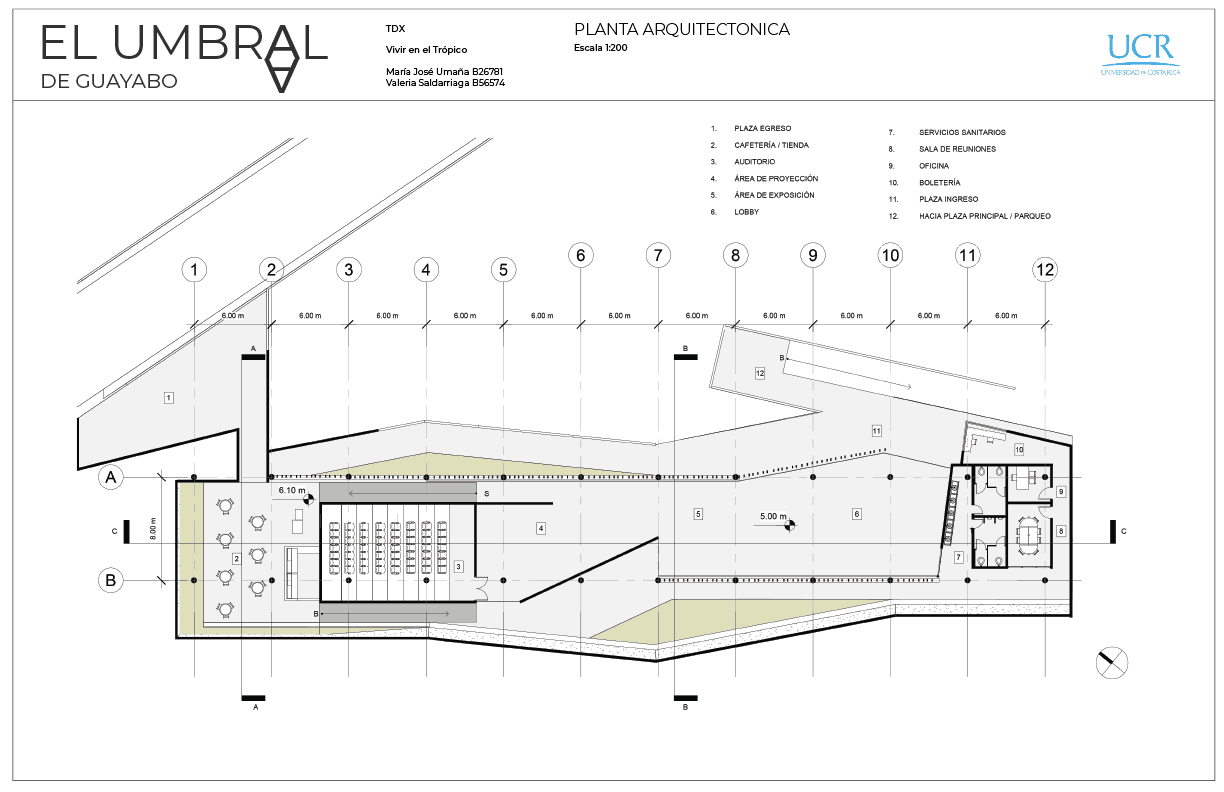
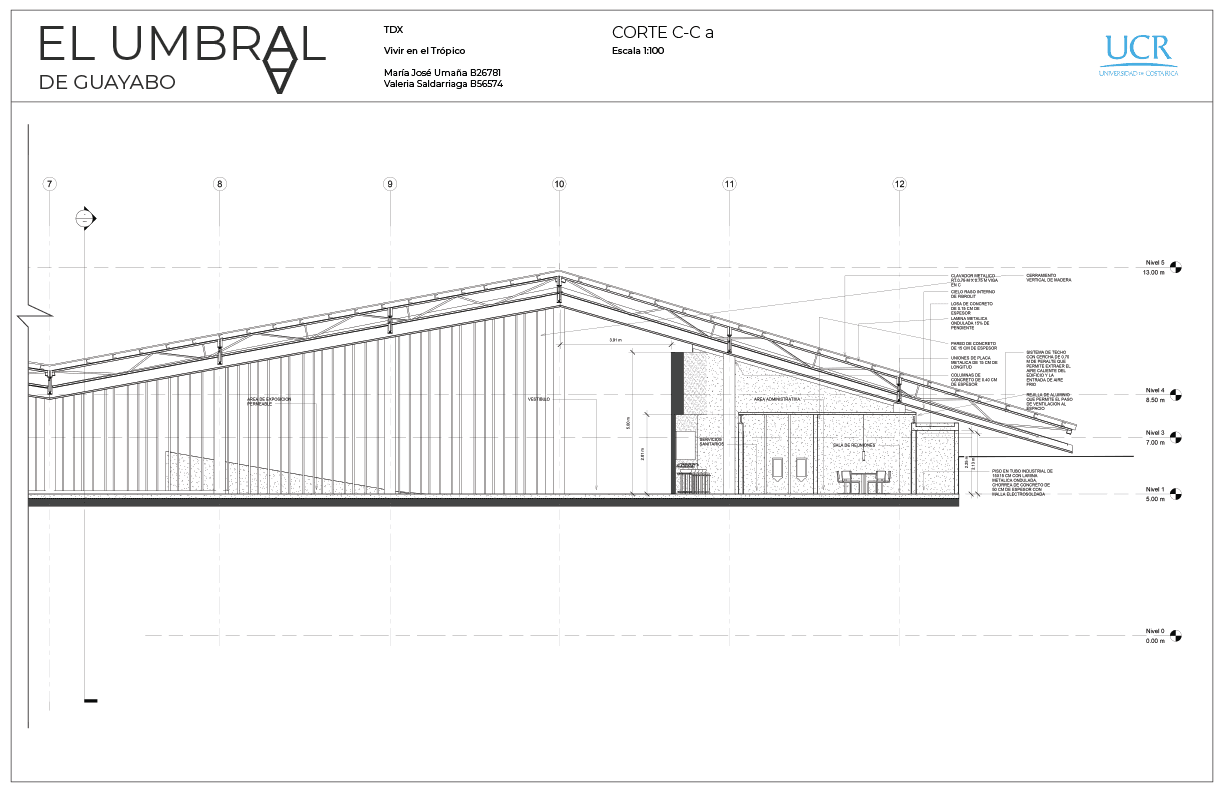
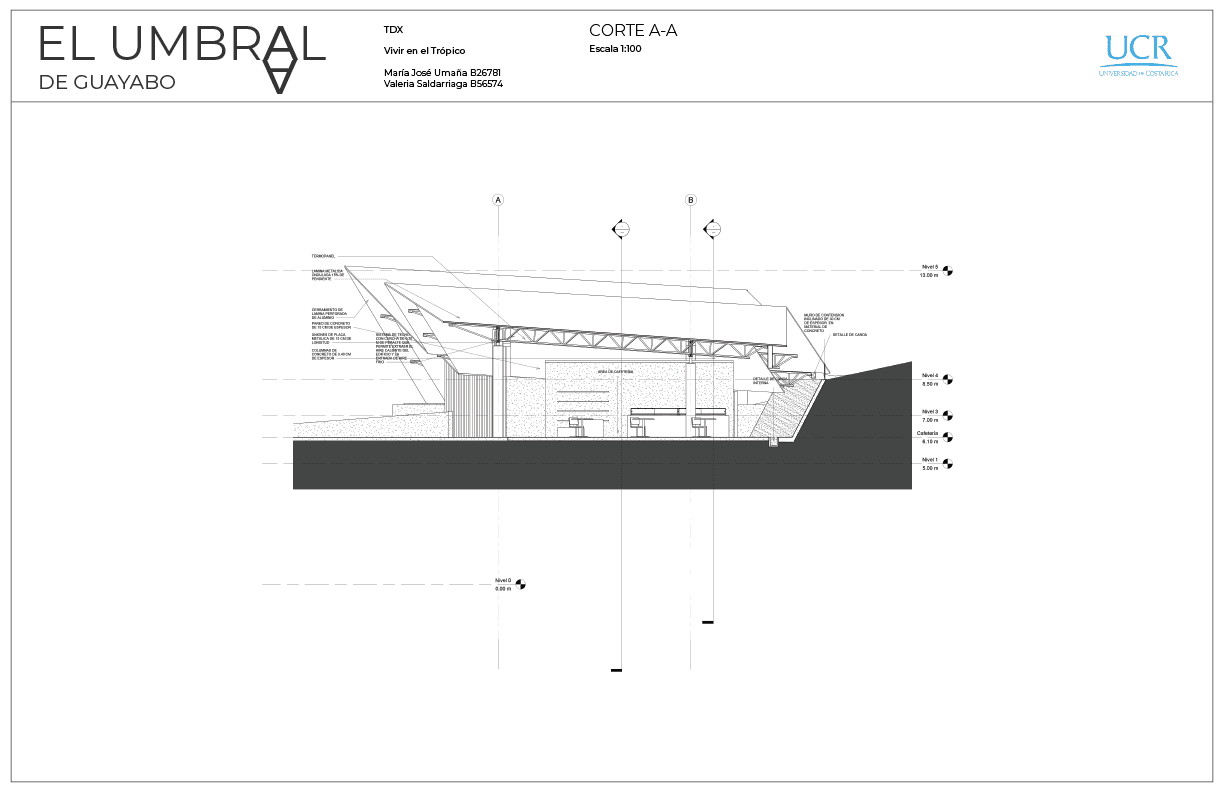
Our project revolved around the creation of a pavilion for Guayabo Monument, representing an experimental and collaborative initiative between the Faculty of Engineering and the School of Architecture. Our primary objectives were twofold: firstly, to design an appealing space for visitors to engage with and learn about the monument, and secondly, to establish a strong conceptual connection between the pavilion and the monument itself. In our proposal, we aimed not to overshadow the monument but to seamlessly integrate our design into the environment. To achieve this, we made the unique decision to partially bury the building, creating an entrance that mimics a natural crack in the site.
Guayabo Pavillon
Guayabo National Monument, a significant archaeological discovery in Costa Rica, likely housed approximately 10,000 people around 3,000 years ago. Its core mission is to safeguard the structural remnants of this ancient city, preserving its rich archaeological heritage for past, present, and future exploration. Located near the Turrialba volcano, amidst a primarily premontane rainforest, despite its remarkable preservation, this captivating place, strangely enough, remains relatively unknown to both locals and tourists.
Role:
Architect, 3D Modeling
Year:
2019
Our project revolved around the creation of a pavilion for Guayabo Monument, representing an experimental and collaborative initiative between the Faculty of Engineering and the School of Architecture. Our primary objectives were twofold: firstly, to design an appealing space for visitors to engage with and learn about the monument, and secondly, to establish a strong conceptual connection between the pavilion and the monument itself. In our proposal, we aimed not to overshadow the monument but to seamlessly integrate our design into the environment. To achieve this, we made the unique decision to partially bury the building, creating an entrance that mimics a natural crack in the site.
Our project revolved around the creation of a pavilion for Guayabo Monument, representing an experimental and collaborative initiative between the Faculty of Engineering and the School of Architecture. Our primary objectives were twofold: firstly, to design an appealing space for visitors to engage with and learn about the monument, and secondly, to establish a strong conceptual connection between the pavilion and the monument itself. In our proposal, we aimed not to overshadow the monument but to seamlessly integrate our design into the environment. To achieve this, we made the unique decision to partially bury the building, creating an entrance that mimics a natural crack in the site.
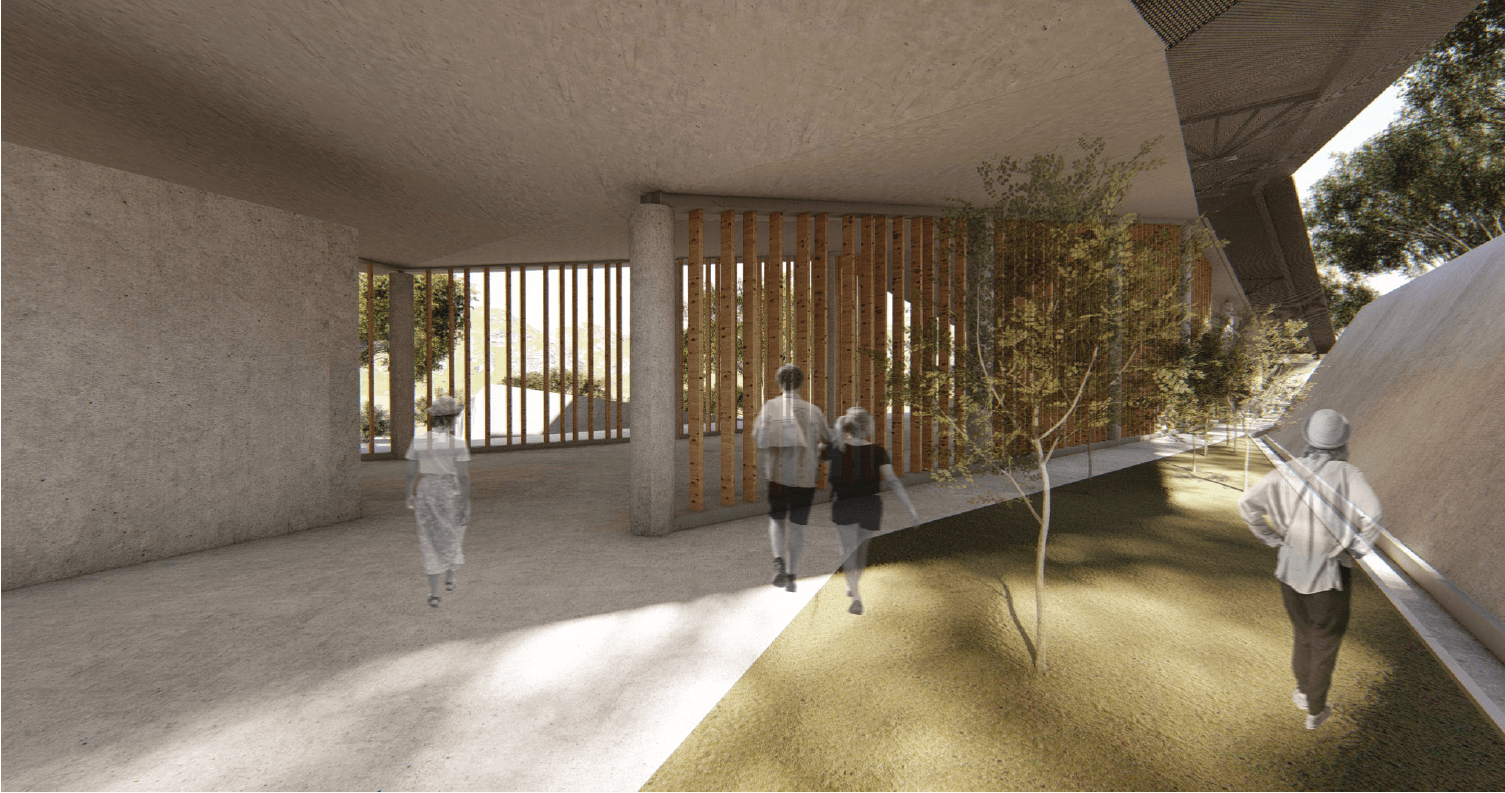
Social Area
Social Area
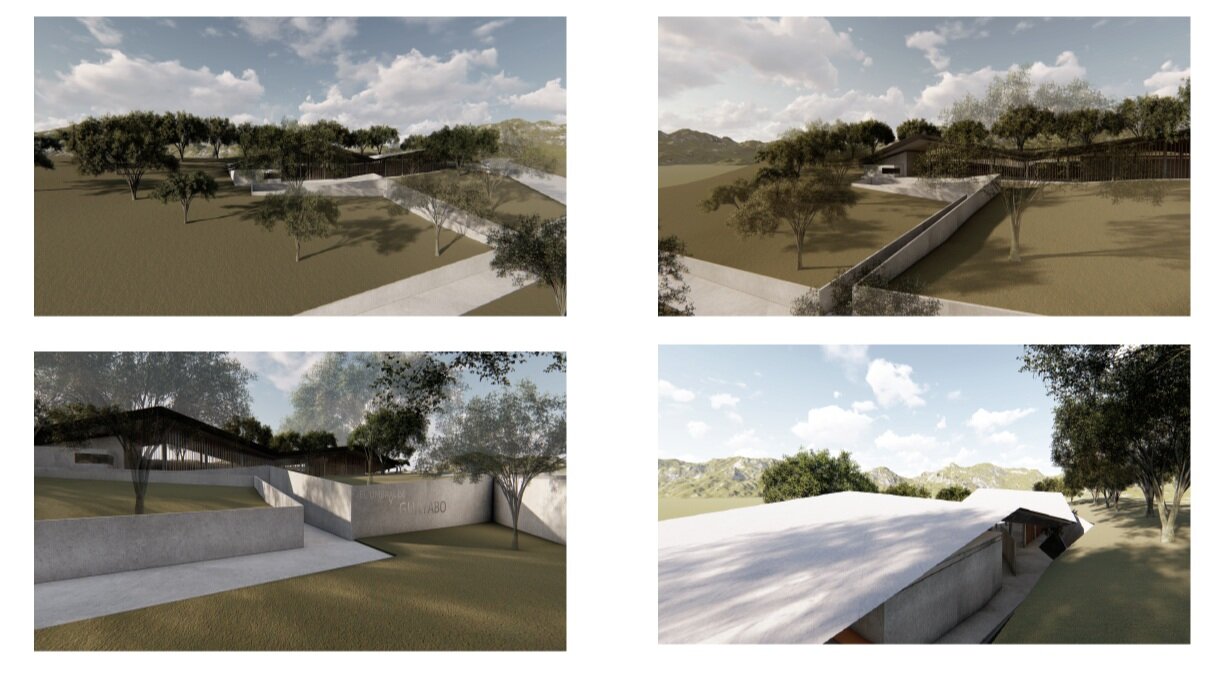
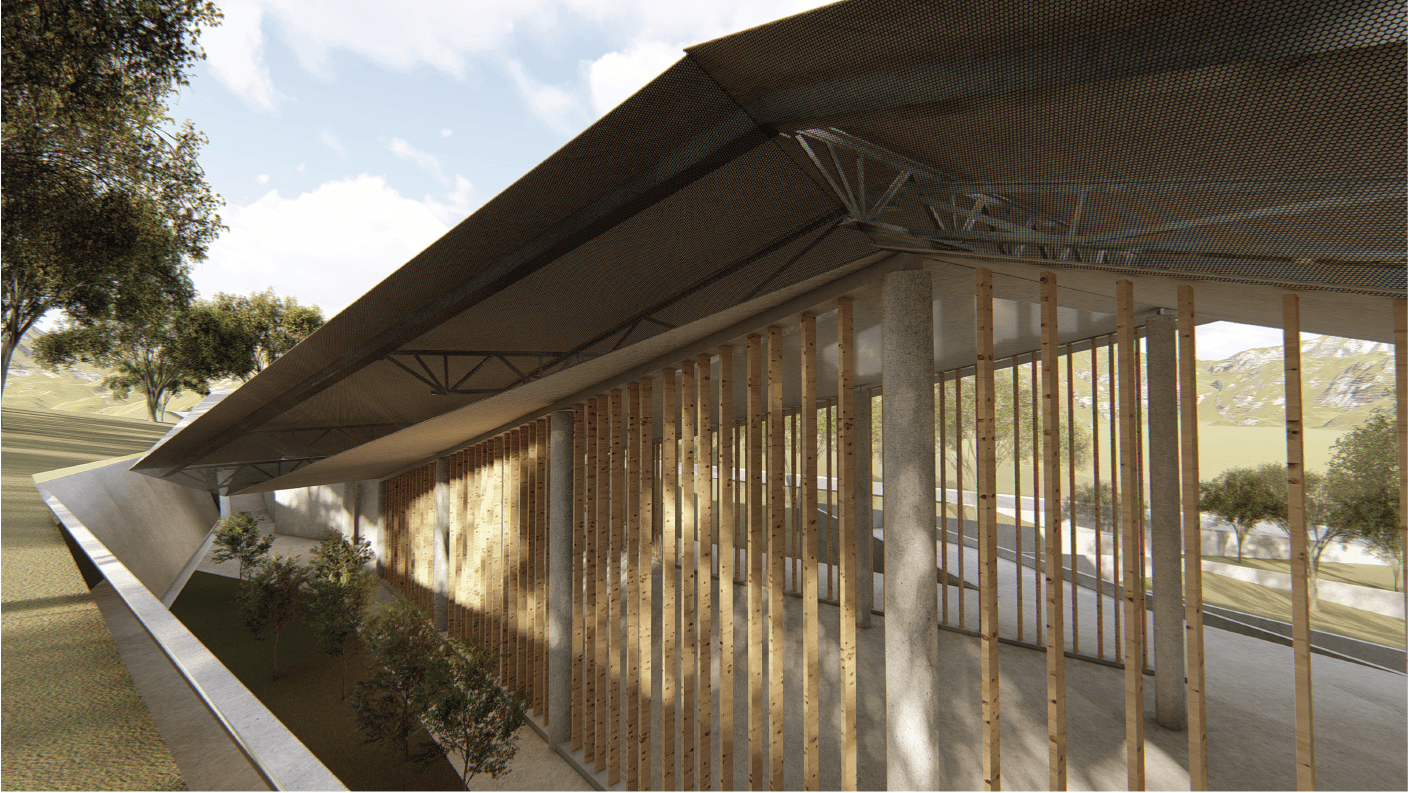
Social Area
Social Area
Social Area
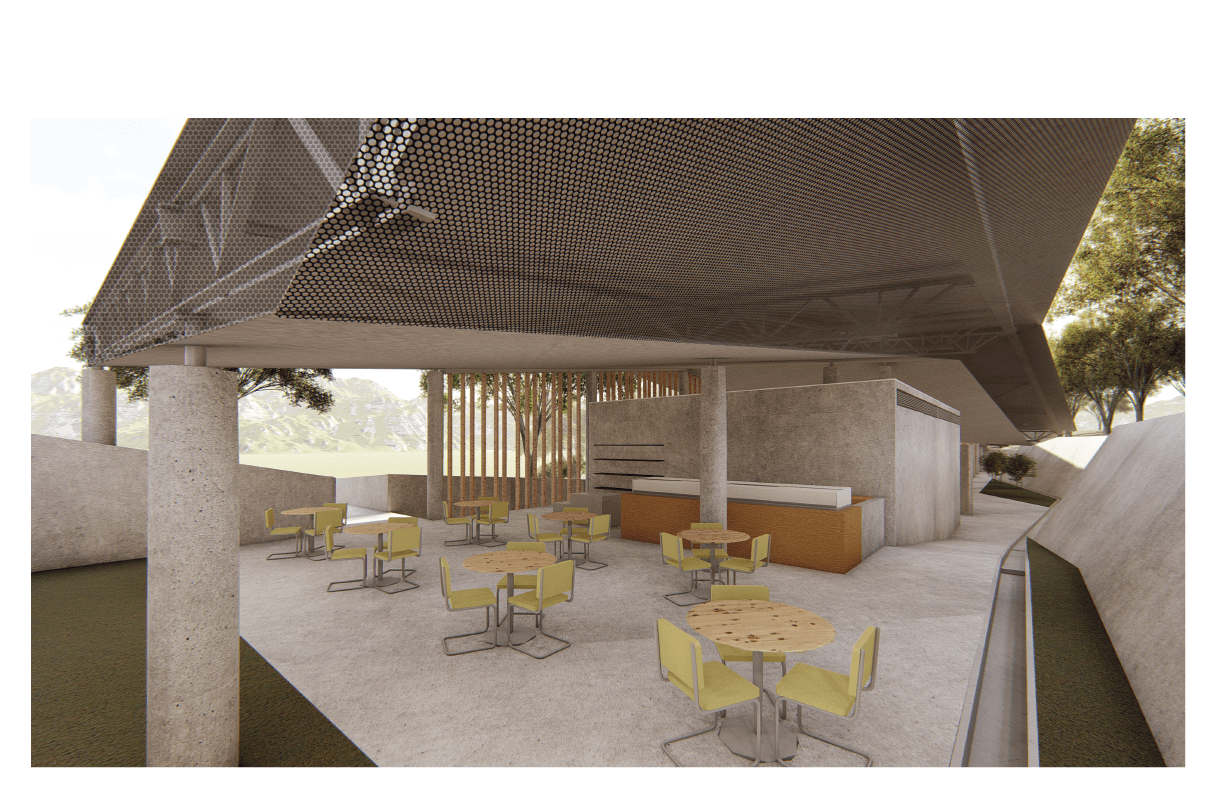
Social Area
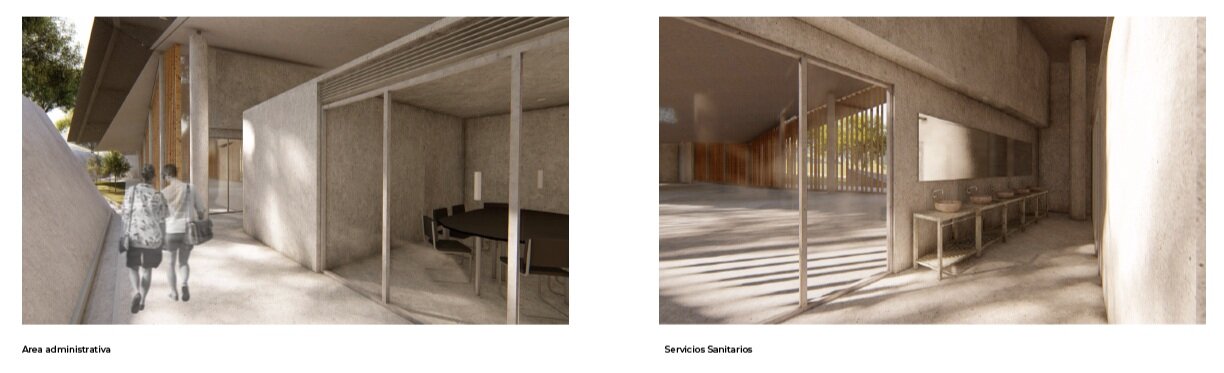
Social Area